From makeup artistry to nail art and salon management — explore the best beauty courses after 12th and the career paths they open up, with TRIQOS.
Trusted by Industry Leaders






The right beauty course after 12th can turn a creative interest into a career you actually enjoy. Choosing what to do after Class 12 can feel overwhelming. There are countless degree programs, diplomas, certifications, and career paths to consider.
If you enjoy makeup, skincare, hairstyling, nail art, or beauty services, the beauty industry offers several practical career options. You don't necessarily need to follow a traditional academic path to build a successful career.
The right beauty courses after 12th can help you develop professional skills, gain practical experience, and prepare for opportunities in salons, studios, freelance beauty services, fashion, media, and entrepreneurship.
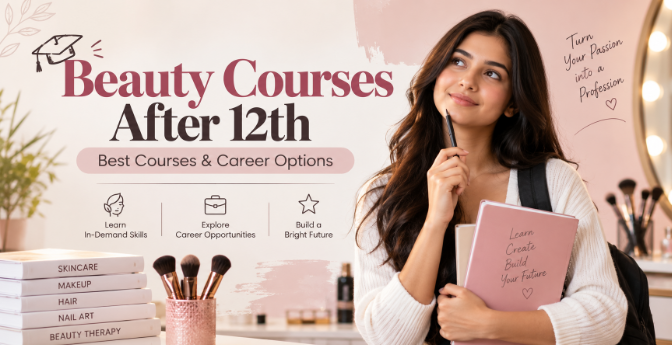
Beauty courses after 12th are professional training programs designed to teach practical skills related to beauty, grooming, wellness, and personal care.
Depending on your interests, you can choose courses focused on:
These courses can range from short-term certifications to more comprehensive professional programs.
The best option depends on your interests, career goals, budget, and the type of work you want to do after completing your training.
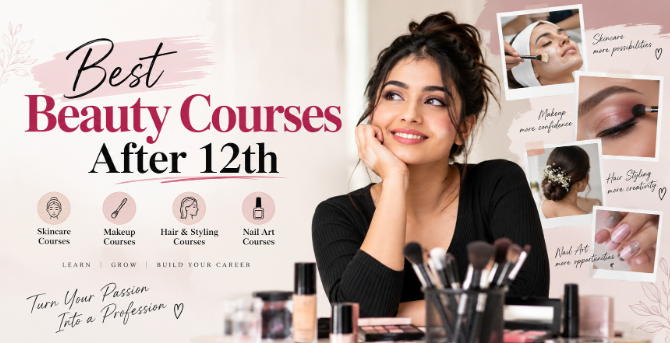
The beauty industry combines creativity with practical, client-focused work.
Unlike careers where your work may stay behind a desk, beauty professionals interact directly with clients and can see the results of their skills immediately.
There is also flexibility in how you build your career. You could start by working at a salon, gain experience, and later move into freelancing or open your own studio.
For students interested in building a modern beauty career, digital visibility is becoming increasingly important. Platforms and businesses such as Triqos also reflect how professionals can use online presence and content to connect with their target audience.
There isn't one course that is best for everyone. Your choice should depend on the beauty skill you enjoy most.
| Beauty Course | What You Learn | Possible Career Options |
|---|---|---|
| Makeup Artist Course | Makeup techniques, skin preparation and different looks | Makeup Artist, Bridal Makeup Artist |
| Beauty Therapy Course | Skincare, facials and beauty treatments | Beauty Therapist, Skin Specialist |
| Nail Artist Course | Nail care, extensions and creative nail art | Nail Artist, Nail Technician |
| Hair Styling Course | Haircuts, styling and professional techniques | Hairstylist, Hair Professional |
| Semi-Permanent Makeup Course | Techniques for specialised cosmetic procedures | PMU Artist, Beauty Specialist |
| International Beauty Course | Broader beauty techniques and professional practices | Beauty Professional, Beauty Entrepreneur |
| Salon Management Course | Salon operations and customer management | Salon Manager, Studio Owner |
Before enrolling, compare the syllabus, practical training, trainer experience, certification, and career support offered by the institute.
An after 12th beautician course can be a practical choice if you want to enter the beauty industry without spending several years on a traditional degree.
Beautician training can introduce you to multiple services rather than focusing on only one skill.
Depending on the curriculum, you may learn skincare, facials, hair removal, basic makeup, manicure, pedicure, and other beauty services.
This broader knowledge can be useful if your goal is to work in a salon or eventually provide multiple services independently.
When searching for a beautician course after 12, don't choose a program simply because it is short or affordable.
Look for training that includes:
Practical exposure is particularly important because beauty is a skill-based industry. Knowing the theory is useful, but confidence comes from repeated practice.
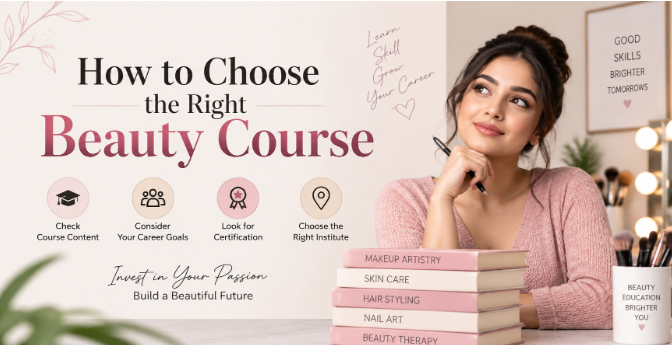
First, decide what attracts you most.
Do you enjoy creating makeup looks? Are you interested in skincare? Do you love nail art? Or do you want to learn several beauty services?
Your answer can help narrow down your choices.
Read the complete syllabus before enrolling.
Make sure it covers the techniques you actually want to learn. A course with practical sessions is generally more useful than one that focuses heavily on theory.
Think beyond your first job.
If you want to become a freelance makeup artist, choose training that develops makeup techniques and portfolio skills.
If you want to establish a beauty studio, broader beautician training and business knowledge may be more useful.
Ask how much time you will spend practising.
A strong training program should allow students to work on different clients or models and receive feedback from trainers.
Beauty trends change quickly. Your training should introduce you to current techniques while still teaching strong fundamentals.
Makeup is one of the most popular areas of the beauty industry.
You can specialise in bridal makeup, party makeup, fashion makeup, editorial looks, or content creation.
Nail artistry combines technical precision with creativity. It can be a good choice if you enjoy detailed work and want to build a visually focused portfolio.
Semi-permanent makeup is a specialised field that requires proper technical training and careful attention to safety and professional practices.
If you are considering this field, researching how to Choose the Right Semi Permanent Makeup Course can help you understand what to look for before enrolling.
Students who want broader exposure can also consider an International Beauty Course. Such programs may be useful for those interested in learning techniques influenced by international beauty practices or exploring wider career opportunities.
Completing a beauty course does not mean you have to follow only one career path.
Depending on your training and specialization, you could work as:
With experience, you can also combine multiple skills and create a more personalized service offering.
Yes, but it is usually better to develop your skills and gain practical experience before investing heavily in a business.
You could begin with freelance or home-based services. As your client base grows, you can consider creating a dedicated studio.
A successful beauty business requires more than technical ability. You also need to understand pricing, appointment management, customer service, marketing, expenses, and client retention.
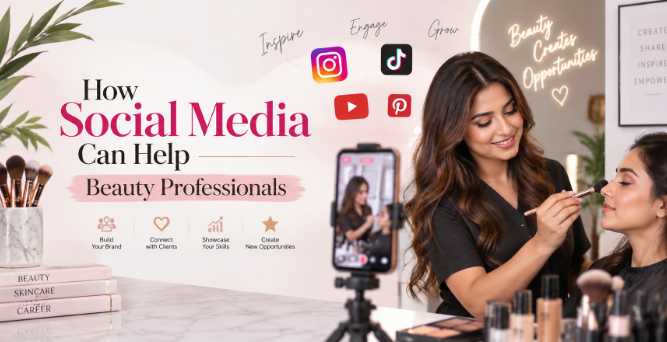
Beauty is highly visual, which makes platforms such as Instagram useful for showcasing your work.
You can share:
For example, staying updated with Makeup Trends for Wedding Brides in 2026 can help aspiring makeup artists understand changing bridal preferences and create more relevant portfolio content.
Your social media profile can eventually become an online portfolio. Good photography, consistent posting, and useful content can help potential clients understand your expertise before contacting you.
Technical training is important, but successful beauty professionals need additional skills.
You need to understand what clients want and explain what you can realistically provide.
Being late can damage your reputation, particularly when working with bridal or event clients.
Beauty trends change constantly. Creativity helps you adapt and develop your own style.
Clean tools, sanitized workspaces, and responsible product handling are essential for professional services.
Knowing how to present your work online can help you attract clients and build your personal brand.
If you plan to freelance or open a studio, learn the basics of pricing, budgeting, bookings, and customer retention.
This combination of technical and business skills can help you move from simply completing a course to building a sustainable career.
A popular course isn't automatically the right course for you. Compare the curriculum and practical training before making a decision.
Watching tutorials is useful, but hands-on practice is essential for building confidence.
You don't need an expensive professional kit immediately. Start with essential, reliable products and expand gradually.
A certificate can support your profile, but clients ultimately care about your skills, results, professionalism, and experience.
Your work needs visibility. Building a professional online presence can help people discover your services.
Think of your course as the starting point rather than the final destination.
After training, focus on:
Learn → Practise → Build a Portfolio → Gain Experience → Find Clients → Build Your Brand → Grow Your Business
Start with smaller opportunities and use every client or project as a chance to improve.
As your skills develop, you can specialise in a particular service and gradually increase your pricing.
The beauty industry is becoming more specialised and digitally driven.
Clients can discover beauty professionals through social media, online portfolios, reviews, and recommendations. This creates opportunities for skilled professionals who know how to present their work effectively.
Specialised services such as nail art, bridal makeup, skincare, hair styling, and semi-permanent makeup can allow professionals to target specific customer needs.
At the same time, technology and social media will continue influencing beauty trends and customer expectations.
For students entering this field, learning both beauty skills and digital branding can provide an advantage. The growing digital ecosystem represented by businesses such as Triqos shows why online visibility has become an important part of modern service-based careers.
Before enrolling, ask yourself:
Answering these questions can help you choose a course based on your career goals instead of simply following trends.
Choosing the right beauty courses after 12th can be the first step toward a creative and flexible career in the beauty industry. Whether you choose makeup artistry, skincare, nail technology, hairstyling, semi-permanent makeup, or a broader beautician course, focus on practical training and skills that you can use with real clients. Don't choose a course only because it promises quick results. Look for quality training, hands-on practice, experienced trainers, and opportunities to build confidence. Once your technical foundation is strong, continue learning, build your portfolio, use social media strategically, and understand the business side of the industry. The beauty industry rewards professionals who combine skill, creativity, professionalism, and adaptability. With the right training and consistent effort, your career can grow from a first course into freelance work, a specialised beauty service, or even your own business. As digital visibility becomes increasingly important, Triqos also reflects the value of building a strong online presence alongside professional expertise.
Students Placed
Partner Brands
Placement Success Rate
Common Questions
The best course depends on your interests and career goals. Makeup, skincare, nail art, hairstyling, semi-permanent makeup, and comprehensive beautician programs are all possible options. Compare the curriculum and practical training before choosing.
Yes. Students can pursue an after 12th beautician course to learn practical beauty services such as skincare, makeup, manicure, pedicure, and other salon-related techniques, depending on the course curriculum.
Course duration varies depending on the specialisation and training provider. Short certification programs may take weeks, while comprehensive professional courses can take several months.
Yes. You can enrol in a makeup artist course after completing Class 12. With proper training, regular practice, portfolio development, and practical experience, you can pursue freelance, bridal, salon, fashion, or other makeup-related opportunities.
Yes. A beautician course after 12 can provide broad training in beauty services and help prepare students for salon jobs, freelance work, or eventually starting their own beauty service business.
Usually replies instantly
Experience world-class training firsthand.